
How to Identify Quality Needlepoint Canvas Like a Pro
Quick Summary
To identify quality needlepoint canvas, check the mesh count by holding it to a window and counting holes per inch in two or three spots. Then look for sealed, unfrayed edges, straight regular grids, and firm, even tension when you flex and press the surface. A quality needlepoint canvas stays square and holds its shape.
- Hold the canvas to a window and count holes per inch, repeating in two or three spots.
- Look for finished edges that won't fray, since raw edges can shed threads into your work.
- Sight down rows and columns to confirm the grid runs straight with even hole sizes.
- Flex the canvas by two opposite edges; it should spring back without bowing permanently.
- Fold the canvas corner to corner to check that the edges line up and the canvas is square.
Table of Contents
- What Makes a Needlepoint Canvas Quality in the First Place
- Needlepoint Canvas Types: Mono, Interlock and Penelope Compared
- Needlepoint Canvas Sizes and Why They Matter for Your Project
- How to Identify Needlepoint Canvas Mesh Count by Eye and by Touch
- What an 18 Mesh Needlepoint Canvas Is Best For
- A Shop-Floor Tactile Test for Weave Uniformity and Tension
- Spotting Defects: Fraying Edges, Warped Grids and Uneven Holes
- Budget Canvas Versus Professional Grade: What You Are Really Paying For
- Pick Your First Canvas and Stitch Something Cheerful
- Frequently Asked Questions
How to Identify Quality Needlepoint Canvas Like a Pro
Last Updated: November 19, 2026
What Makes a Needlepoint Canvas Quality in the First Place
Picking out a quality needlepoint canvas is a little like choosing a good pair of shoes: you can't always tell from the box, but you can tell a lot from how it feels in your hands. Mary Engelbreit's canvases are a lovely place to start, and once you know what to look for, you'll spot a well-made canvas in seconds.
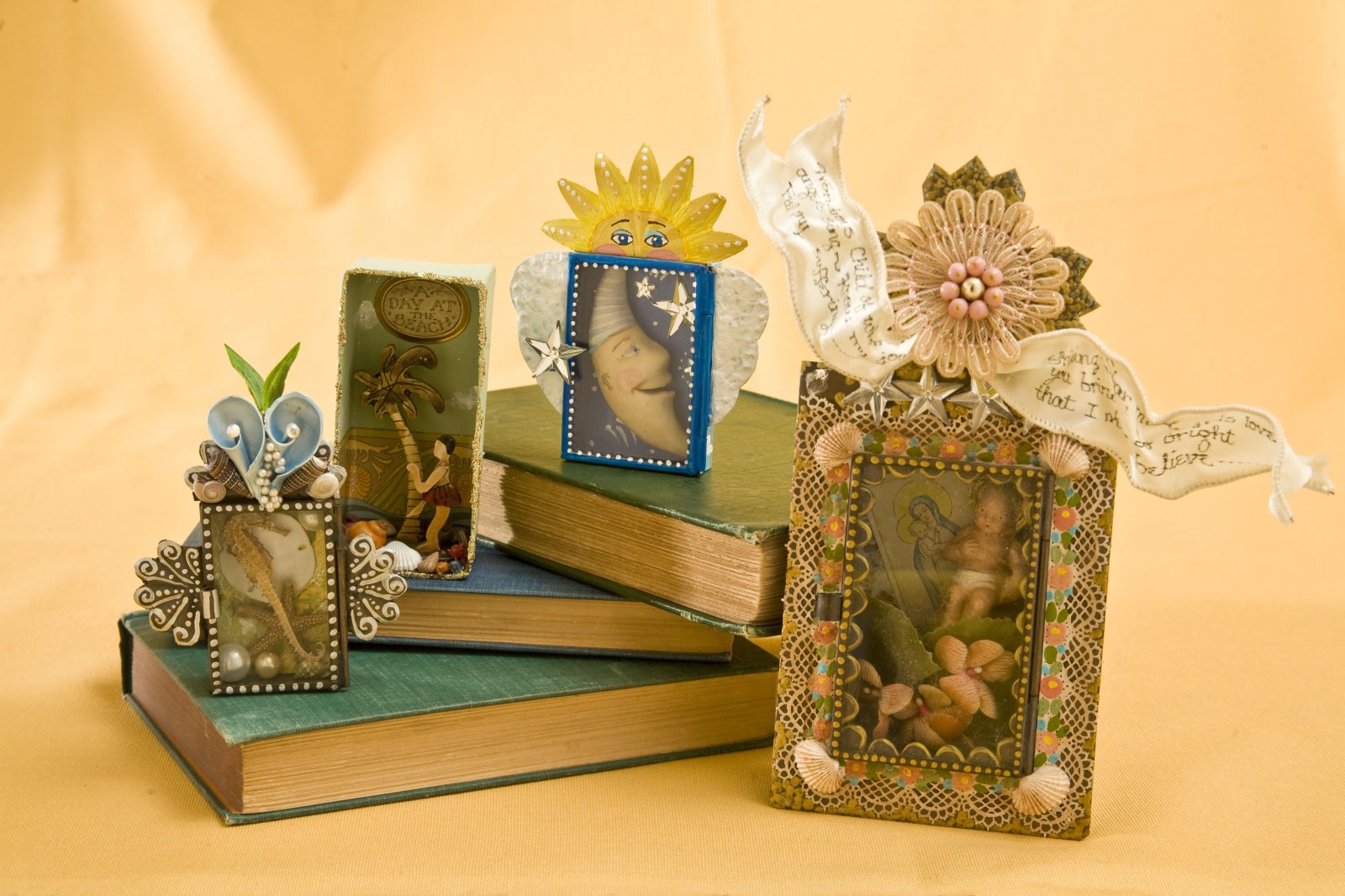
A quality canvas shows a few telltale traits: finished edges that won't fray, grid holes that are regular, and tension that stays even.
Stitch the Rabbit Hole's 2026 guidance adds that good canvas holds its tension while you stitch and resists distortion, which keeps your stitches straight and your design true to the painting. If you want to read the full guide, you can find it at Stitch the Rabbit Hole needlepoint canvas quality guide.
Needlepoint Canvas Types: Mono, Interlock and Penelope Compared
Most needlepoint canvas falls into three families, and each one behaves differently under your needle.
Mono canvas is woven in a simple over-and-under pattern. It's sturdy, stable and forgiving, which is why many stitchers consider it a sturdy, dependable choice. The downside is that it can feel a bit stiff to stitch on for long sessions.
Interlock canvas has a more tightly locked weave that resists stretching and holds its shape well. It's a good choice for larger projects that will be handled a lot.
Penelope canvas has paired threads that let you choose between half-cross and basketweave stitches. It's versatile, though it can be trickier for beginners to read.
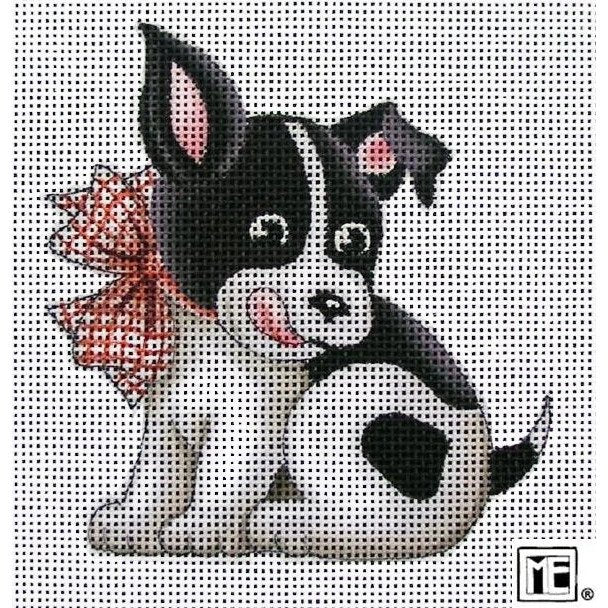
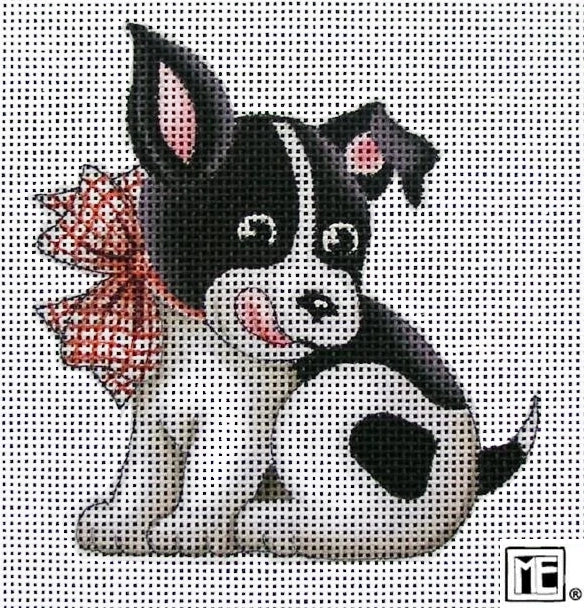
For most first projects, a mono canvas is the safest bet. The Needlepoint Canvas: Spot the Dog is hand-painted on 18-count canvas, a lovely way to see how a fine mesh feels.
Needlepoint Canvas Sizes and Why They Matter for Your Project
Canvas size and mesh count work together. The mesh count tells you how many holes sit in each inch, and that decides how big your stitches will be and how much detail you can fit into a design.
A lower count, such as 10 or 12 mesh, has bigger holes, so stitches go quickly and the piece works up fast. Higher counts, such as 18 mesh, have smaller holes that allow fine detail but take longer. Match the size to the design: a chunky pillow suits a coarse canvas, while a small framed piece with tiny motifs deserves a finer one.
Before buying, measure the design area and add a generous border for blocking and finishing. A canvas that's too small leaves you cramped; one that's too large wastes thread and money.
How to Identify Needlepoint Canvas Mesh Count by Eye and by Touch
Mesh count is the number of holes per linear inch, and it is the single number that tells you the most about a canvas. But the label is not always right, and the only reliable read comes from your eyes and your fingertips working together.
Start with the count. Hold the canvas up to a window and count the holes across one inch, marking your start with a pin. Do it in two or three spots, because a good canvas reads the same everywhere. If the count drifts from one end to the other, the weave is inconsistent and your stitches will drift with it.
Then read the thread count behind the holes. Each hole is framed by threads, and the way those threads are woven tells you what you are holding. Mono canvas uses single threads in a simple over-and-under weave, so the holes are clean and square. Interlock canvas locks pairs of threads together, which is why it resists stretching on larger pieces. Penelope canvas pairs its threads so you can work half-cross or basketweave, though the doubled threads can be harder for a beginner to read. A common pattern is that the tighter and more regular the thread framing, the better the canvas holds tension over a long project.
Check the material. Most canvas is cotton, which is sturdy and takes dye well; linen canvas is stronger and smoother but costs more and can be harder to find. Neither is automatically better, but a canvas that feels limp or fuzzy usually signals a looser weave or a lower-grade fiber.
Feel for consistency. Run your fingertips across the surface. A quality canvas feels smooth and firm, with threads that sit evenly and do not snag. Press a fingertip into the center: it should feel firm, not squishy. Flex the canvas gently by two opposite edges; it should spring back without bowing permanently.
Watch out: a canvas that feels floppy, leans to one side, or has holes that look noticeably larger in one area will pull out of shape once you start stitching, no matter how carefully you count.
Counting by eye and by touch together gives you a far more reliable read than trusting the label alone, and it takes less than a minute in a shop.
Mesh count tells you more than any other number on the label, and you can check it yourself before you buy.
| Check | What to look for | Why it matters |
|---|---|---|
| Count holes per inch | Hold canvas to a window and count across one inch | Sets your stitch size and detail level |
| Count in two or three spots | Counts stay the same across the canvas | Inconsistent weave makes stitches drift |
| Read the thread framing | Tight, regular threads around each hole | Tighter framing holds tension better |
| Check the material | Firm, smooth feel; no limp or fuzzy surface | Limp canvas signals looser weave or lower-grade fiber |
| Press the center | Surface feels firm, not squishy | Wobbly centers pull out of shape |
| Flex by opposite edges | Springs back without bowing | Permanent bowing means poor stability |
What an 18 Mesh Needlepoint Canvas Is Best For
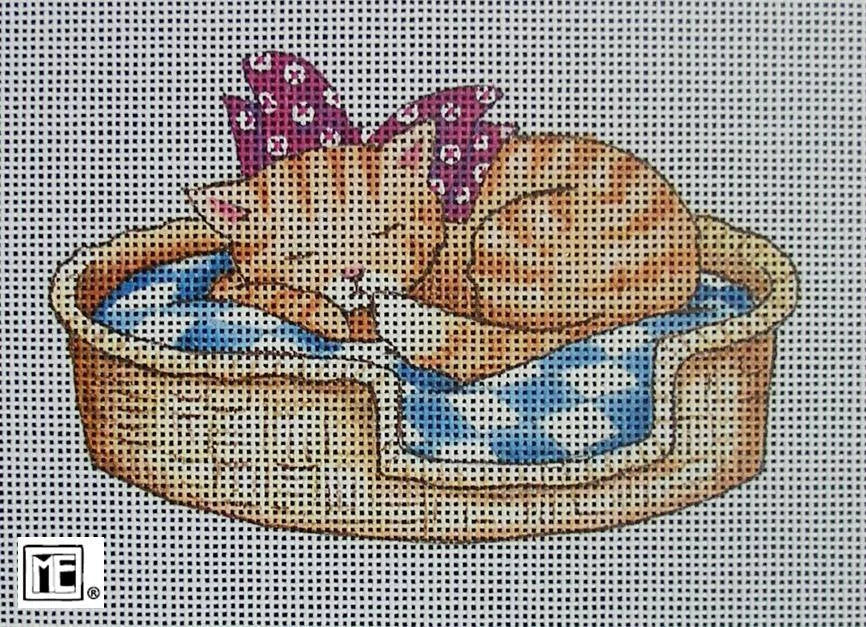
An 18-count canvas has fine, closely spaced holes, which makes it ideal for detailed designs with small motifs, lettering and shading. The Needlepoint Canvas: Cat Nap is 18-count, with a 3.25" x 5" design.
The tradeoff is time. Fine canvas takes longer to cover, and it asks for smaller stitches and good light. If you're just starting out, an 18-count piece is rewarding once you've got a few projects under your belt. Until then, a slightly coarser canvas will keep you motivated.
A Shop-Floor Tactile Test for Weave Uniformity and Tension
Here's a quick test you can do in a shop before you buy. It takes less than a minute and tells you a lot.
- Hold the canvas by two opposite edges and gently flex it. A good canvas bends slightly and springs back without bowing permanently.
- Press your fingertip into the center. The surface should feel firm, not squishy or wobbly.
- Look along the rows and columns. The grid should run straight, with holes that look the same size from one end to the other.
- Check the corners. They should form clean right angles, not slanted ones.
If the canvas passes all four checks, it's almost certainly well made. Watch out: a canvas that feels floppy or leans to one side will pull out of shape once you start stitching, so it's worth skipping.
Spotting Defects: Fraying Edges, Warped Grids and Uneven Holes
Most guides tell you defects exist. This one tells you how to see them before you pay, because a canvas with a flaw will cost you hours no matter how carefully you stitch.
Fraying edges. Look along the border. Loose threads that unravel as you work are the most common problem, so a sealed or coated edge is your friend. A raw edge is not automatically bad, but it needs to be finished before you stitch or it will shed threads into your work.
Warped grid. Sight down a row and then down a column. The grid should run straight and the holes should look the same size from one end to the other. A row that wanders or holes that bunch together will make your stitches look crooked no matter how even your tension is.
Uneven holes. Compare holes across the surface. If some look noticeably larger than their neighbors, that usually means a weaving fault, and your stitch size will vary to match.
Squareness test. Fold the canvas corner to corner and check that the edges line up. A canvas that leans to one side is not square, and it will pull out of shape once it is on a frame or in a hoop.
The good-versus-bad comparison. A quality weave looks like a tidy grid: even holes, straight rows, threads that sit flat. A poor weave looks like a grid drawn by hand: holes of different sizes, rows that drift, threads that catch your fingertip. If you can see the difference at arm's length, you have your answer.
Which defects are fatal. Fraying edges can often be sealed and saved. A warped grid or uneven holes cannot be fixed, and those are the ones to put back on the shelf.
Watch out: a canvas that passes the eye test but feels floppy or leans to one side will still pull out of shape, so check squareness with your hands as well as your eyes.
Spotting these early saves you hours of frustration and a canvas you would rather not finish.
Budget Canvas Versus Professional Grade: What You Are Really Paying For
Budget canvas can be perfectly fine for practice pieces, but the gap usually shows up in consistency: edge finishing, weave uniformity and how well the canvas holds tension over a long project. Professional-grade canvas costs more because those details are tighter, and that matters most on pieces you plan to keep for years.
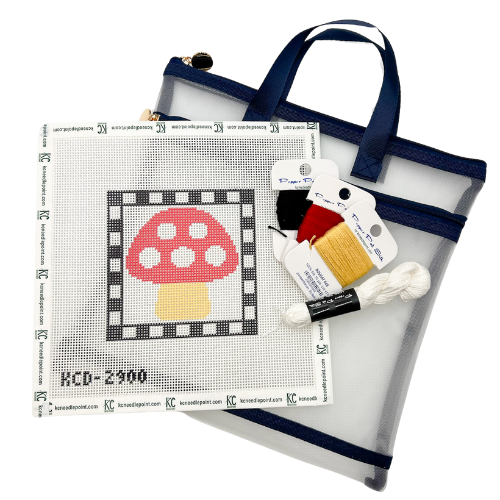
The Needlepoint Canvas: Mushroom Square Kit and Needlepoint Canvas: Scottie Square Kit each come as a 13-mesh printed canvas with silk thread and a tapestry needle included. For context on whether the extra cost pays off, see our guide to are expensive needlepoint kits worth it, and for thread choices, read is DMC thread good for beginners.
If you'd rather browse the full range before deciding, the Fabric, Cross-Stitch & Needlepoint collection is a good place to compare canvases side by side.
Pick Your First Canvas and Stitch Something Cheerful
Start with a canvas that feels right in your hands and suits the size of project you have in mind. The Mushroom and Scottie Square Kits are a sweet choice for a first stitch, and each kit includes printed canvas, silk threads, a stitch guide and a tapestry needle. If you're wondering whether a beginner kit is manageable for an adult starting out, are beginner needlepoint kits actually easy for adults walks through it. For color inspiration, how to choose colors for needlepoint kits is a fun next read.
Frequently Asked Questions
How can you tell if a needlepoint canvas is good quality?
Start with the edges. Quality canvas has heat-sealed or coated edges that do not fray when you run a fingertip along them. Next, hold the canvas up to the light and check that the holes form a regular grid with no bent threads or sagging rows. Finally, gently flex the piece: a well-made mono canvas holds its squareness and returns flat. If the grid looks wobbly or the edges shed threads, skip it, especially if you plan to stitch a detailed Mary Engelbreit design that needs crisp, even spacing.
How do I tell whether a needlepoint canvas is 13 or 18 mesh?
Count the holes in one inch along the edge. Thirteen mesh gives you 13 holes per inch, which is bold and forgiving for beginners, while 18 mesh gives you 18 holes per inch for finer detail. Use a ruler or a clear grid card to count accurately, since a half-hole error changes the result. Many kits print the mesh count on the packaging, but counting it yourself is the surest way to confirm what you are holding before you buy threads.
What is mono needlepoint canvas, and why do stitchers prefer it?
Mono canvas, also called over-and-under or single-thread canvas, is woven so each thread crosses over and under the next one. That construction keeps the grid stable and resists distortion while you stitch, which is why many experienced stitchers consider it the standard for quality work. The Mushroom Square Kit is printed on a 13 mesh canvas measuring 4 1/4 inches square.
Can you use needlepoint canvas for cross-stitch?
You can, but the results depend on the mesh and the project. Needlepoint canvas is usually stiffer and more open than cross-stitch fabric, so it works well with thicker threads and bolder designs. For a fine cross-stitch look, a higher mesh count is more forgiving on tiny motifs. Before you commit, stitch a small test section to check that the canvas holds its shape and that your threads cover the holes without gaps.
What does mesh count mean on needlepoint canvas?
Mesh count tells you how many holes sit in one inch of canvas. A lower number, such as 10 or 13 mesh, means bigger holes and larger stitches that cover ground quickly. A higher number, such as 18 mesh, means smaller holes and finer stitches that suit detailed artwork. Choose the mesh that matches the thread weight you plan to use, because a thread that is too thick for the canvas will crowd the holes and distort the grid.
How much does needlepoint canvas usually cost at Mary Engelbreit?
The hand-painted Spot the Dog canvas is $83.00 and the Cat Nap canvas is $96.00. Both are sold as blank canvases, so threads and a stitch guide are not included, and each is painted to order, so allow up to six weeks for fulfillment. The Mushroom Square Kit and the Scottie Square Kit are $75.00 each and include printed canvas, Pepper Pot silk threads, a stitch guide and a size 20 John James tapestry needle.
Will a whimsical Mary Engelbreit canvas hold up after a few months of stitching?
Choose canvas with sealed edges, and avoid over-stretching it on a frame.

Comments