
How to Make a Cheerful Kitchen Feel More Personal
Last Updated: November 27, 2026
Quick Summary
To make a cheerful kitchen feel personal, fill it with things you already love, like a favorite mug or a bright dish towel. Choose wall art whose message you enjoy, keep the display to one or two pieces, and style open shelves around a single plan.
- Start with items you already own that make you smile when you walk in.
- Pick wall art with a message you would enjoy reading while waiting for toast.
- Display one or two pieces at eye level and leave open space around them.
- Organize open shelves by color, theme, or use, and commit to one plan.
- Leave about a third of each shelf empty so each piece gets noticed.
Table of Contents
- Start With the Things You Already Love
- Hang Kitchen Wall Art Ideas That Feel Like You
- How to Display Art in a Kitchen Without Clutter
- Pick One Kitchen Shelf Styling Plan and Stick to It
- Frequently Asked Questions
Start With the Things You Already Love
A cheerful kitchen gets personal fast when you fill it with things you actually love. Not what a magazine says to buy, but the pieces that make you smile when you walk in.
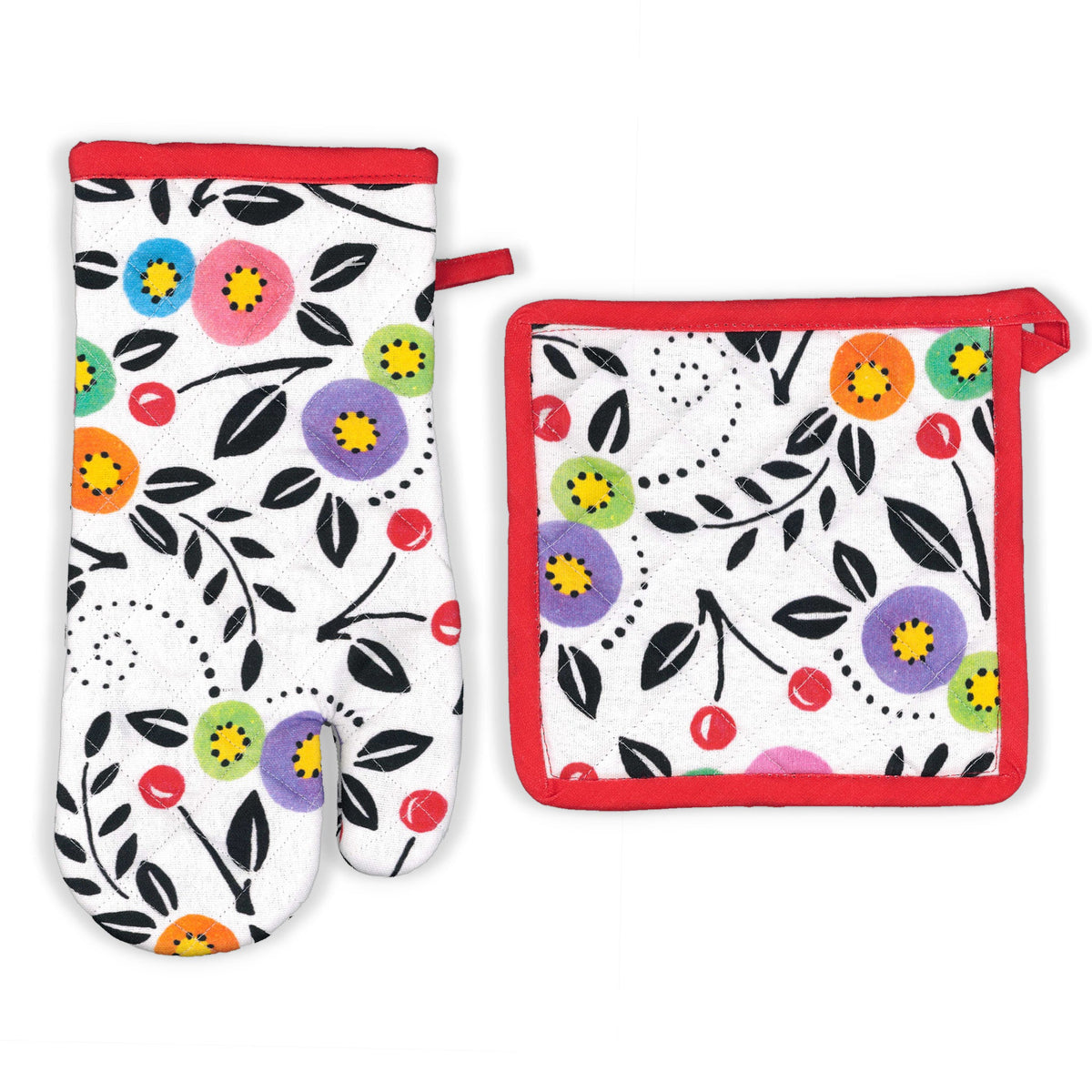
Walk through your kitchen and notice what already makes you happy: a mug from a favorite trip, a bright dish towel, a cherry-red accent catching the light.
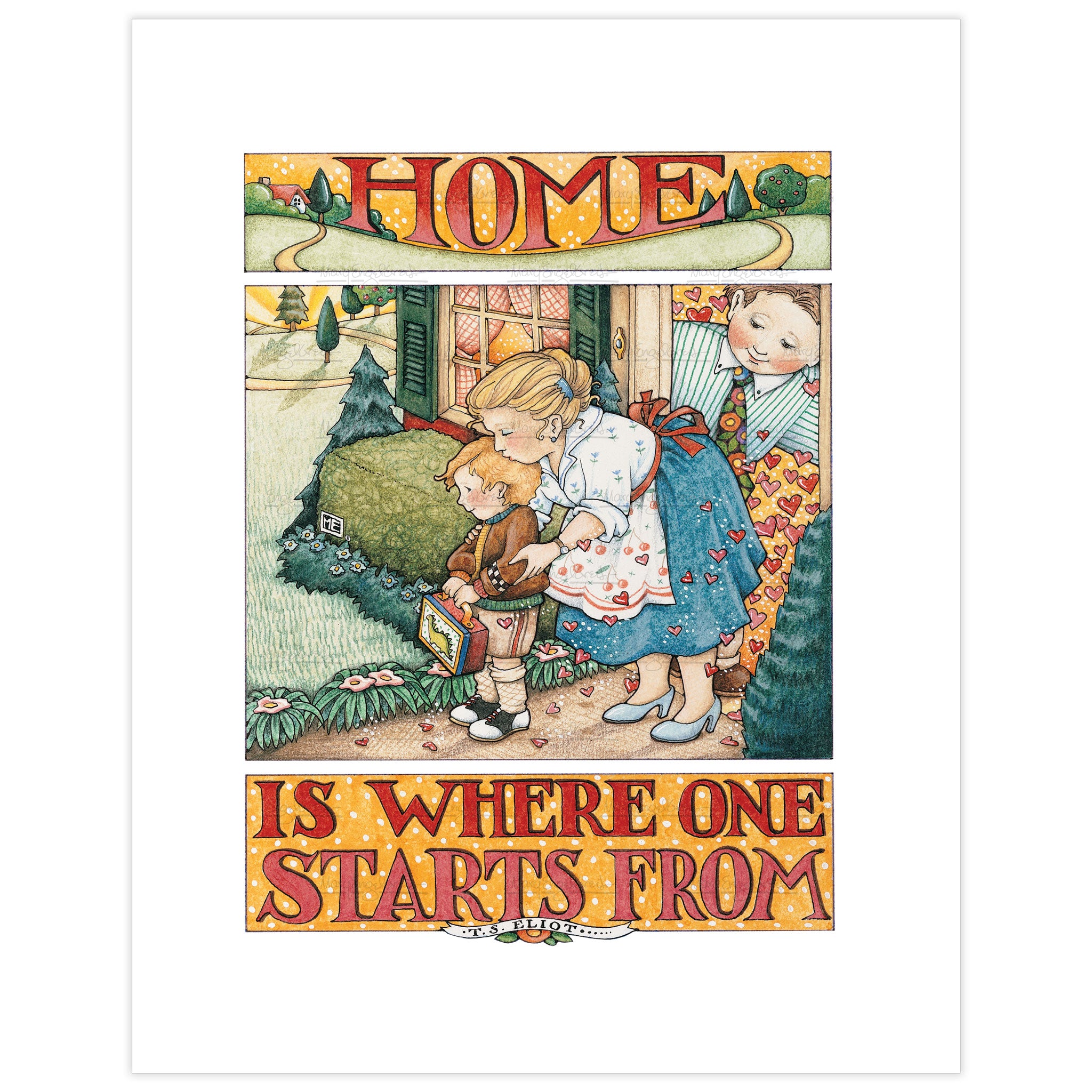
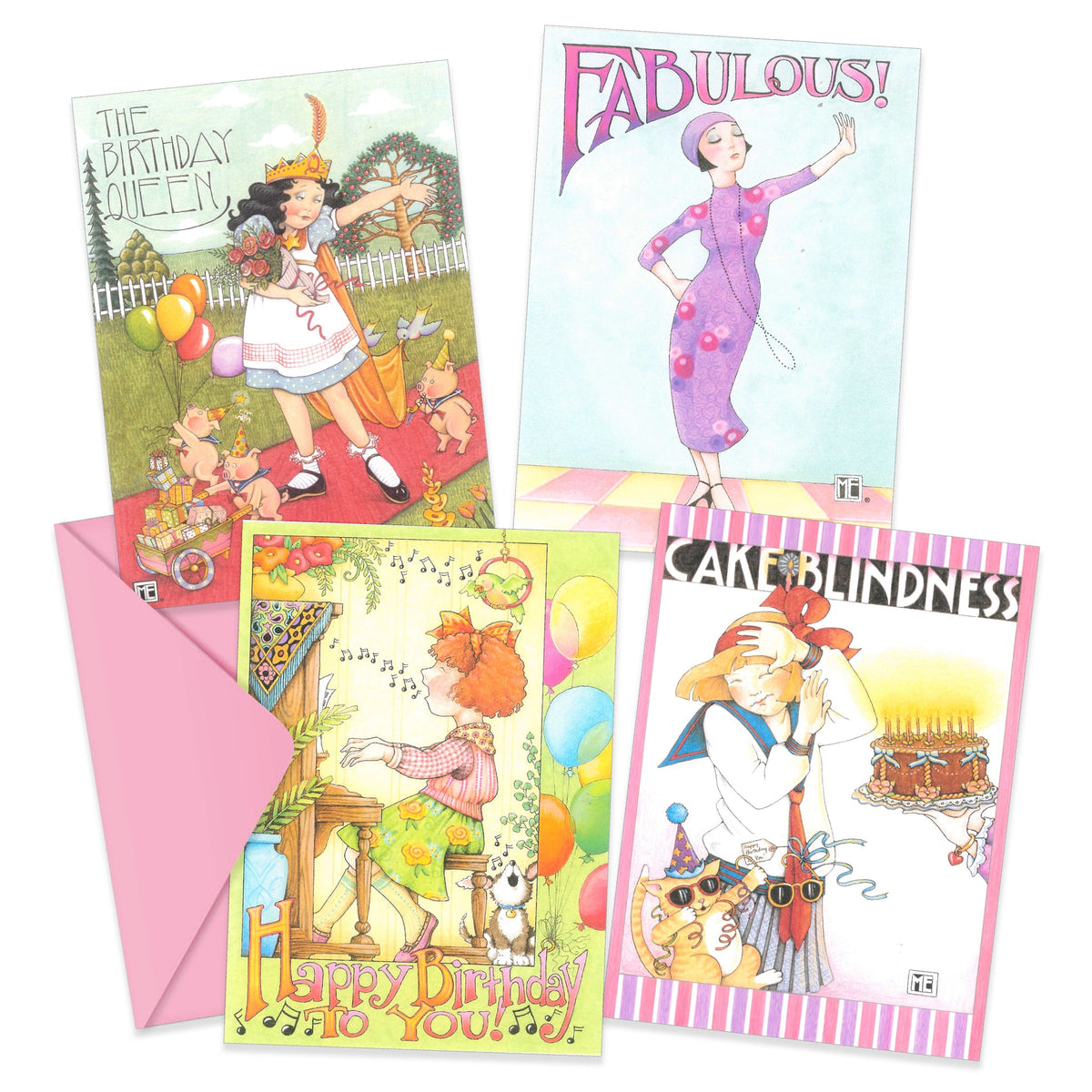
Mary Engelbreit's whimsical designs fit right in, with bold colors and playful art that bring warmth in a way that feels like you. If a sentimental line feels like your home, you can browse the Home Is Where One Starts From fine print to see how it reads. Even one favorite piece can shift a room's mood. If you're hunting for unique gift ideas for quirky personalities, this guide is a fun place to start.
Hang Kitchen Wall Art Ideas That Feel Like You
Wall art is the fastest way to make a kitchen feel like yours, but "hang a cute print" is where most advice stops. Charming versus chaotic comes down to what the piece says, where it goes, and how you hang it.
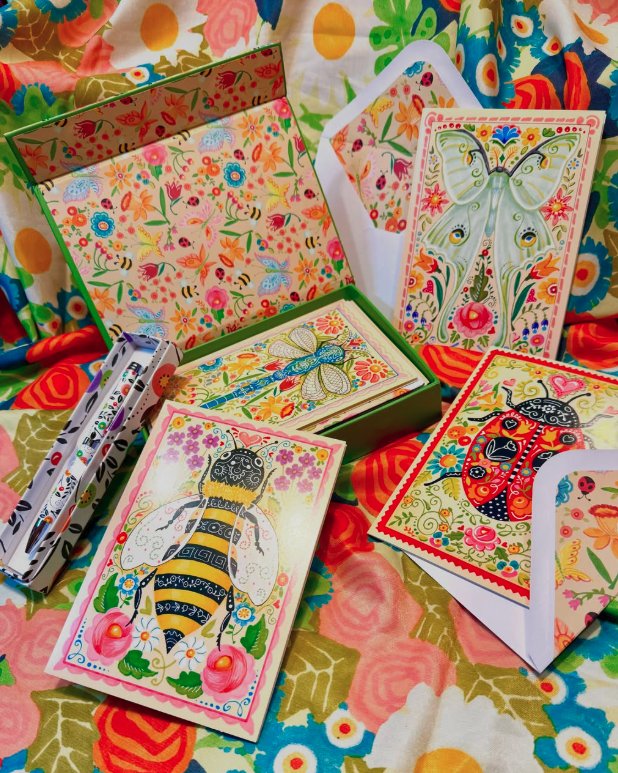
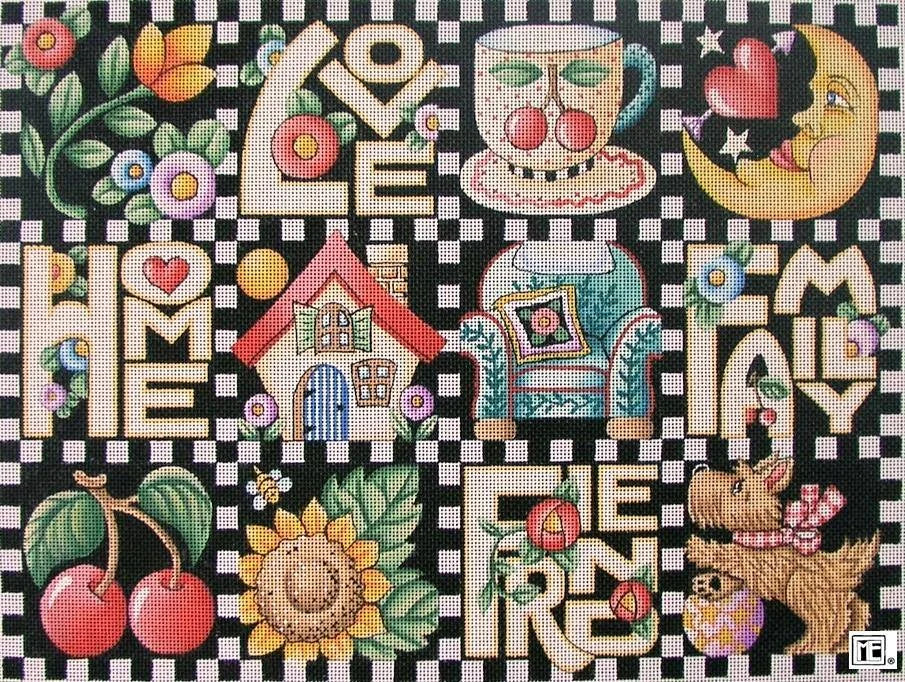
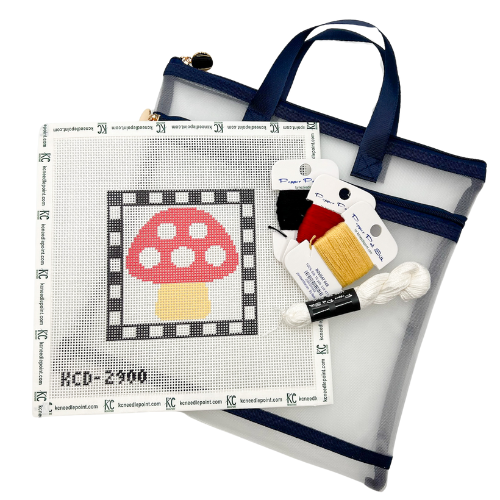
Start with the message. Pick art that says something you'd actually want to read while waiting for toast. A hand-painted needlepoint canvas that celebrates home and family earns its spot because the sentiment does the work. Humor, nostalgia, and whimsy hold up better than generic landscapes. If you're looking for art prints with that same cheerful spirit, Art Prints & Cheerful Home Décor is a good place to browse.
Then pick your scale. Go with one large focal piece, or a tight grid of three to five smaller frames in the same color family. Mixing one oversized print with a cluster of tiny ones reads as accidental. If unsure, tape paper templates up for a day first.
Hang at the right height. Hang artwork high enough to clear backsplashes and counter clutter, low enough to actually see. Keep frames clear of cabinet doors, appliance swing, and the sink's splash zone.
Renter-safe hanging. Removable adhesive strips rated for the frame's weight can work for lighter prints; for heavier pieces, a picture ledge screwed into a stud is sturdier. Check your lease before making any holes. Adhesive strips can fail on greasy, textured, or freshly painted walls, so clean the spot and let paint cure first.
Budget tiers. Free: rearrange what you own, lean a framed piece against the backsplash, or rotate art from another room. Low-cost: a sticker sheet on the fridge, a new frame for a print you already have, or three matching frames. Higher-investment: a single larger statement piece or a proper picture ledge. None require a renovation.
Tie it together. Repeat one frame finish or accent color so the pieces read as a set. Swap a piece or two with the seasons to keep the wall feeling alive without buying anything new.
How to Display Art in a Kitchen Without Clutter
The trick is to edit. Pick one or two pieces to showcase rather than covering every wall.
Keep frames at eye level and leave open space around them. Your kitchen should feel cheerful, not crowded. If a piece feels lost, move it closer to a window.
Pick One Kitchen Shelf Styling Plan and Stick to It
Open shelves are the most personal real estate in a kitchen, and the easiest place to accidentally build a clutter museum. The fix is one plan, applied consistently, with function protected.
Choose your organizing logic first. Pick one and commit: by color (a row of cherry-red and cream pieces), by theme (cherries, gardens, baking), or by use (everyday dishes low, display up high). Mixing all three looks messy even when each item is lovely. A row of cherry-themed pieces, like a cherry-print oven mitt and pot holder set, works because the theme repeats and the eye can rest. For more seasonal and holiday pieces to build a themed display around, check out Seasonal & Holiday Favorites.
Build in layers and leave breathing room. Repeat one color across three or four items, vary heights, and leave roughly a third of each shelf empty so each piece gets noticed. Group in odd numbers, three or five objects read as intentional; two read as leftovers. Stack bowls and plates for height without clutter.
Protect function. Keep daily items on the lowest, easiest shelf and display pieces higher. Nothing should block the counter, the sink, or a cabinet door's swing. In a small kitchen, one narrow shelf above the sink or a single floating shelf beside the stove adds personality without stealing prep space.
Make cleaning easy. Open shelves collect grease and dust, so keep display pieces to a manageable number and wipe them down when you clean the stovetop. Glazed or sealed surfaces are easier to wipe clean in the splash zone.
Renter-friendly and budget-aware. Freestanding shelving units and tension-rod or adhesive-mounted shelves can add display space without major holes. Free: edit what's already on your shelves down to the pieces you love and rearrange by color. Low-cost: add a few matching baskets or a single repeat-color accent. Higher-investment: install proper open shelving with brackets rated for the weight of your dishes. If the shelf starts to feel busy, remove one item, the edit is usually the upgrade.
Here's a quick look at the shelf-styling choices the article walks through, so you can pick the approach that suits your kitchen.
| Organizing logic | Best for | Key tip |
|---|---|---|
| By color | A cohesive, calm look | Repeat one color across three or four items |
| By theme | Showcasing a favorite motif | Cherries, gardens, or baking pieces |
| By use | Keeping things practical | Daily dishes low, display pieces high |
| Odd-number grouping | Intentional-looking displays | Three or five objects, not two |
| Leave empty space | Letting each piece get noticed | Leave about a third of each shelf empty |
Frequently Asked Questions
How can I add art to a kitchen without making it feel cluttered?
Pick one focal point and let it breathe. A single framed print above the counter, or a small gallery of two or three pieces grouped at one height, reads as intentional. Keep the surrounding walls and shelves relatively open, and rotate pieces seasonally so the room never feels overloaded. If a wall starts to look busy, remove one item before adding another. Fewer, better-placed pieces almost always feel more personal than a crowded collection.
What kitchen decor reflects personal style?
Start with items you already love: a favorite print, a set of mismatched mugs, or a recipe box that has been passed down. Choose a color or two that you return to again and again, then repeat them in small accents like oven mitts, a switch plate, or a runner. Personal style shows up in the pieces you actually use and display, so let everyday objects do the talking rather than buying a matching set.
How can I make a kitchen feel cozy without renovating?
Renters and budget-minded decorators can make a big difference without touching the cabinets. Swap in a bright runner, add warm lighting, and display a few cheerful items on open shelves. Replacing a light switch plate or adding coordinating oven mitts and pot holders are inexpensive updates that add personality. Keep surfaces clear enough to clean easily, and the room will feel warmer and more welcoming right away.

Comments