
How to Mix Vintage Decor With Modern Pieces at Home
Last Updated: November 24, 2026
Quick Summary
To mix vintage decor with modern pieces, aim for an 80/20 split where one style leads and the other accents it, keeping one shared color running through both halves. Choose a focal point you love, balance visual weight around it, and leave negative space so each old piece looks intentional.
- Match visual weight rather than size, pairing a heavy wood dresser with a light open-frame chair.
- Use antiques as everyday furniture, like a vintage trunk as a coffee table, to avoid a museum feel.
- In bedrooms, let one antique piece carry the character while modern furniture stays low-contrast.
- Check joints, drawers, and frames before buying, and have vintage lighting wiring checked by an electrician.
- Set a budget before shopping and hold part of it back for small fixes.
Table of Contents
- Why Vintage and Modern Decor Belong Together
- A Repeatable Framework for Mixing Modern and Antique Furniture in the Living Room
- How to Decorate With Antiques in a Modern Style Without a Museum Feel
- Modern Vintage Living Room Ideas That Look Collected, Not Cluttered
- Mixing Modern and Antique Furniture in the Bedroom for a Restful Mix
- Sourcing, Condition, and Budget: Where to Find the Right Pieces
- Frequently Asked Questions
Why Vintage and Modern Decor Belong Together
Learning how to mix vintage decor with modern pieces starts with one idea: contrast is what makes a room feel alive. A clean-lined sofa gives an antique table room to shine, and a worn wood finish softens sleek new surfaces. Rooms that blend cheerful prints and heirloom pieces with contemporary furniture tend to share one trait. They feel collected, not staged.
The 80/20 Balance That Keeps a Room Calm
Most rooms that feel chaotic swing too far in one direction. A common approach is an 80/20 split: let one style lead and let the other accent it.
- Modern lead: neutral walls, simple sofa, clean lines, one antique statement piece
- Vintage lead: antique dresser, patterned rug, then modern lighting and a plain coffee table
- Keep one shared color running through both halves
That ratio gives the eye a rest. It also makes each old piece look intentional rather than accidental.
A Repeatable Framework for Mixing Modern and Antique Furniture in the Living Room
A simple three-step approach can help: choose a focal point, balance the visual weight around it, and repeat one color or material to tie it together.
Pick a Focal Point, Then Build Around It
Start with the piece you love most. A carved antique armoire, a vintage-style framed print, or a mid-century chair can all anchor a room. Everything else plays a supporting role.
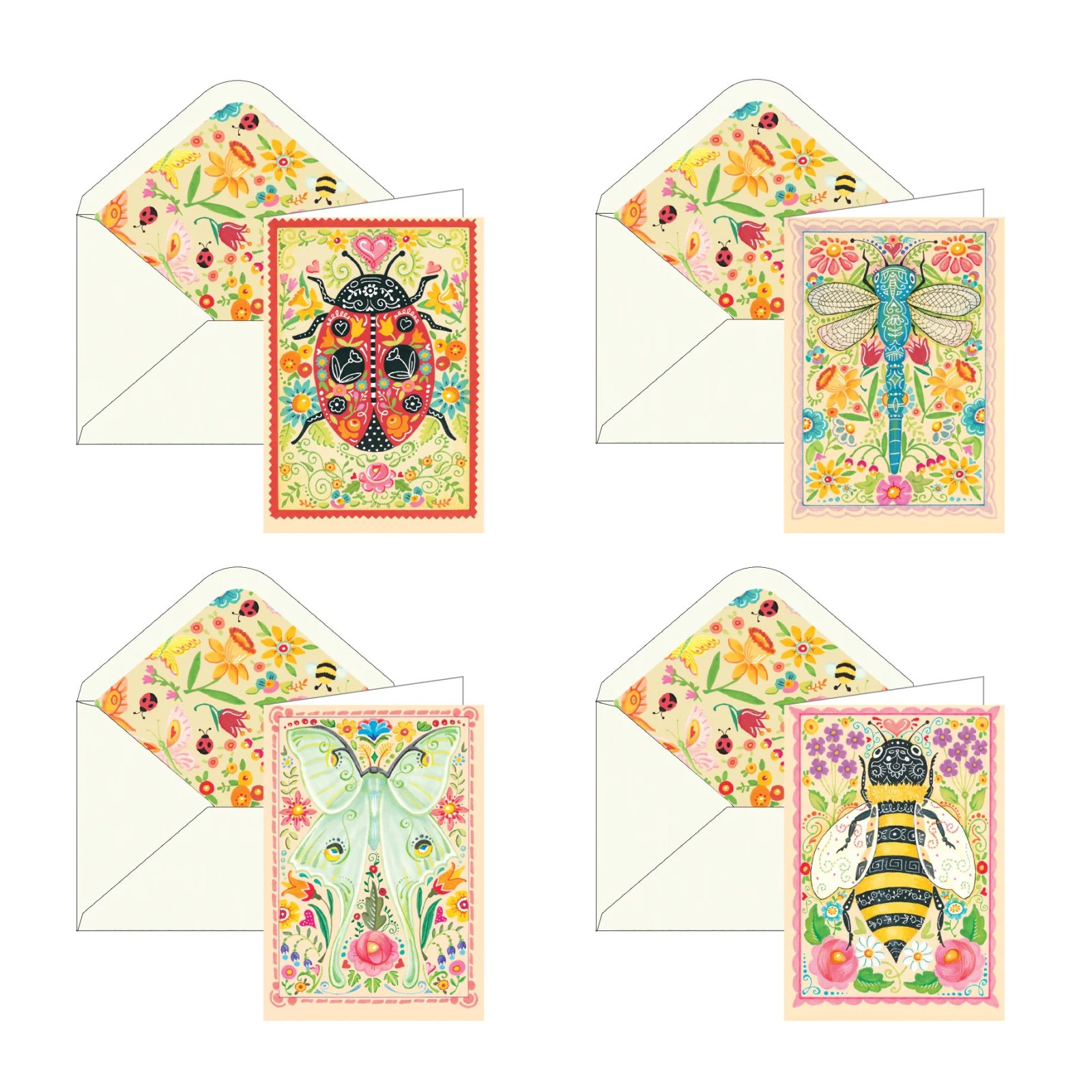
A low-commitment way to test the look is wall art. The Vintage Chair of Bowlies Fine Art Print adds vintage character to a modern wall. If you want to go deeper on styling, our guide on how to decorate with vintage style art walks through hanging and layering.
Balance Scale, Proportion, and Visual Weight
A small antique side table next to a large modern sectional looks lost. Match visual weight instead of matching size.
- Pair a heavy wood dresser with a light, open-frame chair
- Put a slim modern lamp beside a chunky vintage armchair
- Leave negative space around your biggest piece
Watch out: filling every corner kills the contrast. Empty space is what lets old and new read as deliberate.
How to Decorate With Antiques in a Modern Style Without a Museum Feel
Decorating with antiques in a modern style means using old pieces as everyday furniture, not display objects. A vintage trunk becomes a coffee table. An antique bowl holds fruit. The moment a piece looks untouchable, the room starts to feel like a museum.
Three habits keep it livable:
- Mix finishes: worn wood, matte metal, glossy ceramic
- Skip the rope barriers, literally and figuratively
- Let one piece stay a little imperfect
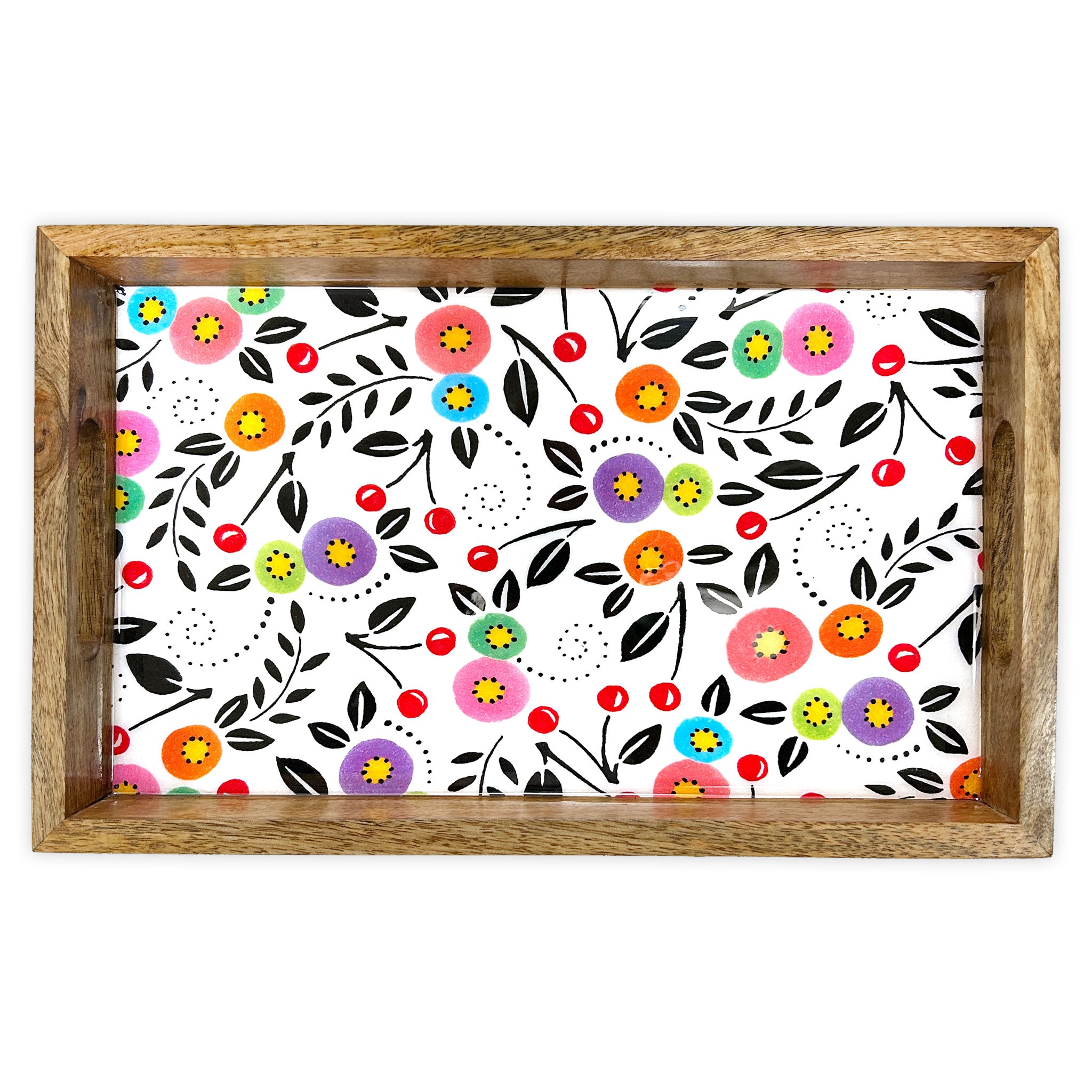
Texture does the heavy lifting here. Pair smooth modern upholstery with rough linen, aged brass, and hand-painted ceramics. The Modern Cherry Toss Wooden Tray is a functional accent with a playful cherry design.
Modern Vintage Living Room Ideas That Look Collected, Not Cluttered
A collected living room follows one rule: edit before you add. Modern vintage living room ideas work when each object earns its spot.
Try these moves:
- Group accessories in odd numbers on one tray
- Repeat one color in three places
- Keep books and baskets functional
- Choose one patterned textile and keep the rest solid
Browse the living room collection if you want a starting point for prints and accents that fit this layered look.
Small-Space and Rental-Friendly Moves
Renters and small rooms need pieces that move easily. Lean a large print against the wall instead of hanging it. Use a vintage rug to define a zone. Swap heavy furniture for a slim console and a folding chair. Small changes read big in tight rooms.
Mixing Modern and Antique Furniture in the Bedroom for a Restful Mix
Bedrooms are where the vintage-modern mix needs the most restraint. A living room can handle a little visual chatter; a bedroom has to stay calm enough to sleep in.
Start with the anchor. An antique dresser, a vintage mirror, or a single carved headboard can lead the room. Then keep everything else low-contrast: a simple modern bed frame, plain nightstands, and soft neutral bedding that bridges both styles.
A few room-specific moves that work:
- Antique dresser as the anchor, paired with a clean-lined modern bed frame and matching plain nightstands
- Vintage mirror hung over a simple modern nightstand, with the mirror frame providing the only ornate detail
- A vintage rug under a modern bed to define the sleeping zone without adding heavy furniture
- One antique chair as a reading corner, with a slim modern floor lamp beside it
- Soft neutral bedding and curtains to bridge both styles and keep the palette quiet
Keep wood tones within one family. Two clashing woods fight for attention in a room meant for rest.
Scale matters more in a bedroom than almost anywhere else. A massive antique armoire can swallow a small room, so measure the wall and the walking path before you commit.
Watch out: don't let the antique piece become a display object. A dresser should hold your clothes, a mirror should be usable, and a chair should be sittable. The moment a bedroom piece looks untouchable, the room stops feeling restful and starts feeling like a showroom.
Lighting is the easiest place to add a modern counterpoint. A slim modern sconce or a simple table lamp beside an antique dresser keeps the old piece from feeling heavy.
Finally, let the bedding do the bridging work. A solid or softly textured duvet in a neutral tone lets both the antique and the modern pieces read clearly.
Sourcing, Condition, and Budget: Where to Find the Right Pieces
Finding vintage pieces that actually work with modern furniture comes down to patience, a sharp eye, and a willingness to walk away.
Start with condition, because condition drives both cost and livability. Check joints by gently rocking the piece; a wobble usually means loose joinery or a cracked leg. Open every drawer and door, and look for smooth movement and intact hardware.
For framed art and prints, inspect the paper for foxing, tears, and fading, and check that the frame is structurally sound. A wobbly frame is often cheaper to replace than to repair, so factor that into what you are willing to pay.
Lighting needs its own checklist. Old wiring, brittle cords, and worn sockets are common, and they are a safety issue rather than a cosmetic one.
A simple condition-and-budget guide:
| Piece Type | What to Check | Budget Tip |
|---|---|---|
| Wood furniture | Joints, drawers, wobble, underside splits | Save for structure, not finish |
| Framed art | Paper condition, frame stability, glass | Reframe instead of restoring |
| Textiles | Stains, fading, tears, thin spots | Wash gently, patch small holes |
| Lighting | Wiring, sockets, cord, switch | Have old wiring checked and budget for rewiring |
| Upholstery | Frame twist, cushion support, fabric wear | Reupholster only if the frame is solid |
Deciding when restoration is worthwhile is the part most shoppers get wrong. Refinishing or reupholstering makes sense when the piece is structurally sound and you plan to keep it for years.
Set a budget before you shop and hold part of it back for small fixes.
Watch out: don't buy a piece just because it is old. Age is not the same as quality, so buy for structure and function first, and let the vintage character follow.
Frequently Asked Questions
Can you mix modern and vintage decor without it looking mismatched?
Yes. The trick is to give one style the lead and let the other play a supporting role, roughly an 80/20 split. Keep the big pieces, like a sofa or bed, mostly modern and calm, then add vintage decor through a focal piece, a wood tone, or a patterned textile. Repeating one color or finish across both styles ties them together so the room reads as collected rather than accidental.
What is the 3-5-7 rule in decorating, and does it help when mixing styles?
The 3-5-7 rule is a guideline for grouping accessories in odd numbers, such as three candles, five books, or seven small objects on a shelf. It works well when you mix vintage and modern because odd groupings feel less formal and more natural. Use it on a coffee table or mantel to blend an antique bowl with a modern vase and a few vintage finds without the arrangement looking staged.
How do you mix antique furniture with modern furniture in a living room?
Start with a modern anchor, like a clean-lined sofa or a simple media console, then add one antique statement piece such as a carved chair or an old wood coffee table. Balance visual weight by pairing something heavy and dark with something light and open. Repeat a shared color, like warm wood tones or a single accent hue, and keep the rest of the room edited so the antique piece can breathe.
What colors work well with vintage and modern decor?
A neutral backdrop, such as warm white, soft gray, or cream, lets vintage character and modern lines share a room without fighting. From there, pick one or two shared colors, like cherry red, sage green, or mustard, and repeat them in both old and new pieces. Mary Engelbreit's Vintage Chair of Bowlies Fine Art Print, at $52.00, shows how a cheerful vintage illustration can sit happily against modern neutral walls.

Comments